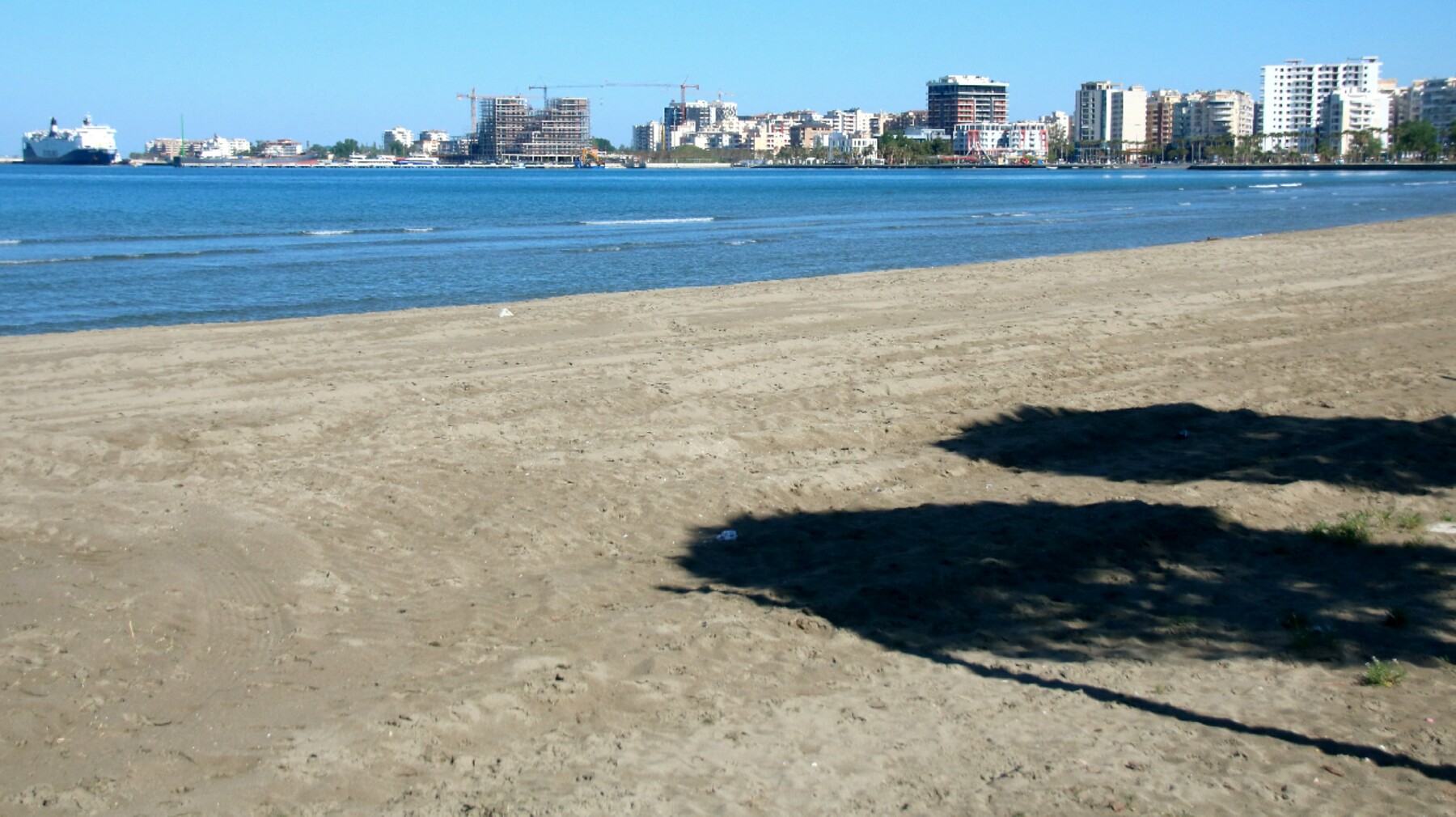
On Day 6, the group started the day in Vlorë, walking the boardwalk towards the National Independence Museum. Established in 1936, it is considered Albania's first museum. Then
it was a short walk to Independence Square, as Vlorë is where the Declaration of Independence was signed with the Ottomans in 1912.
Then it was off to Apollonia. Archeological evidence shows there were Illyrians settled in the area since the Early Bronze Age, around 2852-2505 BC. The city itself was
founded as a Greek trade colony in 588 BC with immigrants from Corinth and local Illyrians living together. It grew into a thriving Roman city and cultural centre,
famous for housing a prominent philosophy academy where Aristotle taught ... Augustus, the first Roman Emperor, studied at this academy. Aristotle describes Apollonia's oligarchy
as a small Greek elite class, largely descended from the original colonists, ruling over a largely local Illyrian population. It flourished especially in the 2nd century AD,
maintaining a Roman military base there. Christianity was established in the city at an early stage. But it didn't last. The city was ideally located on the right bank of the
Vjosë river, but an earthquake silted up Apollonia's harbour, the river ran dry and moved about 6 km from the city in the 3rd century AD. It was abandoned in the 4th century AD.
In the Byzantine Empire days, people still lived in the area to farm. In the 13th century AD, The Monastery of St. Mary was established, starting with St. Mary Church, and the
monastery building in the 14th century. Today, the monastery houses the Archaeological Museum of Apollonia with pottery, busts, statue and many objects, some from around 2500 years
ago and many still amazingly intact and vibrant, one of the best such collections anywhere.
|